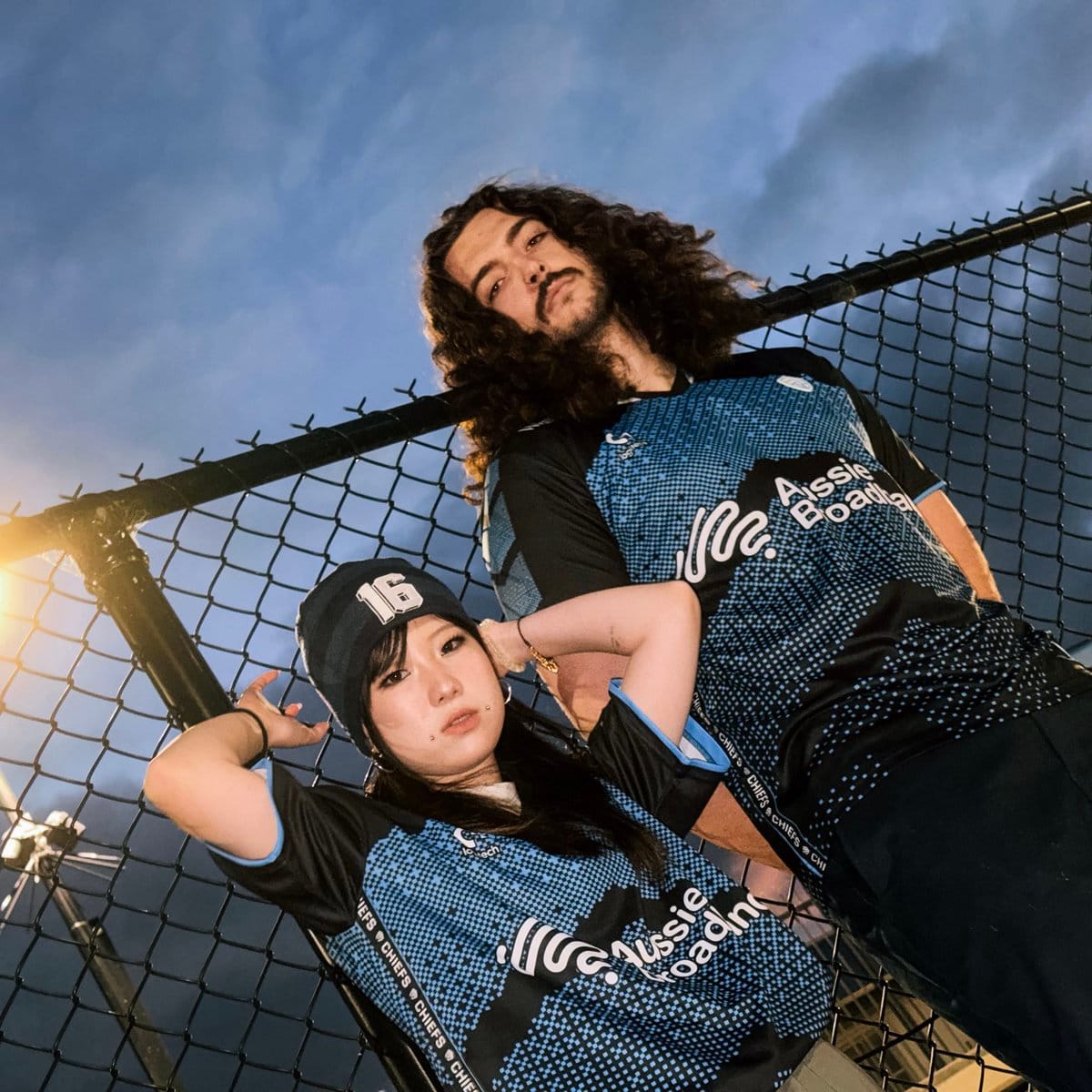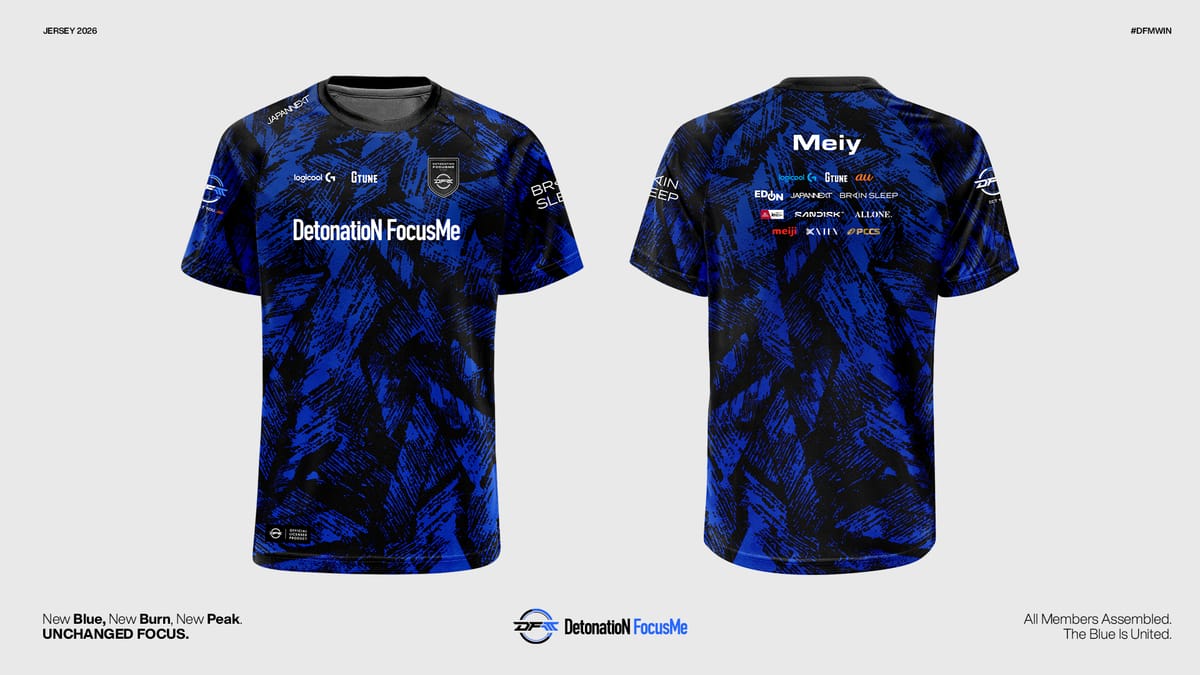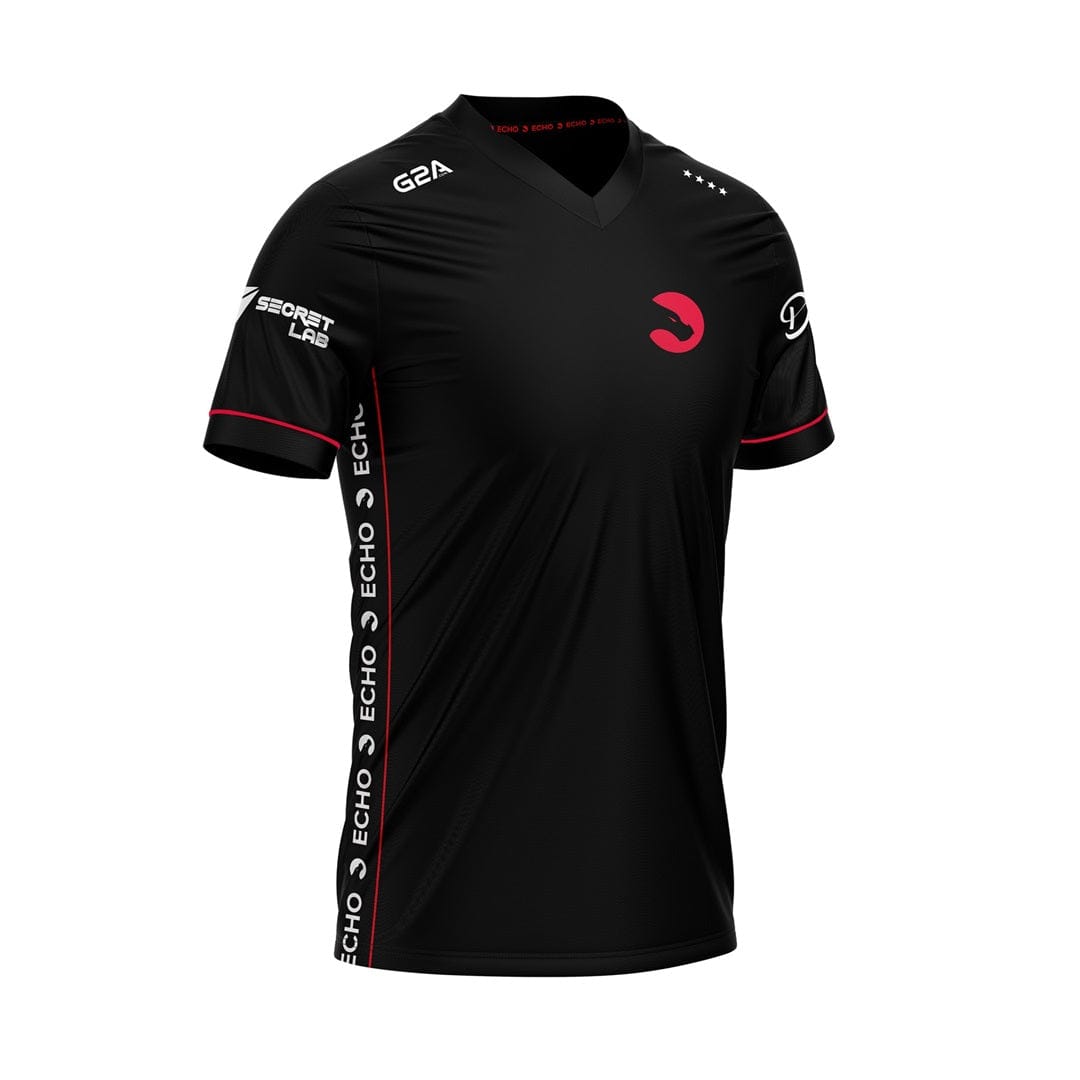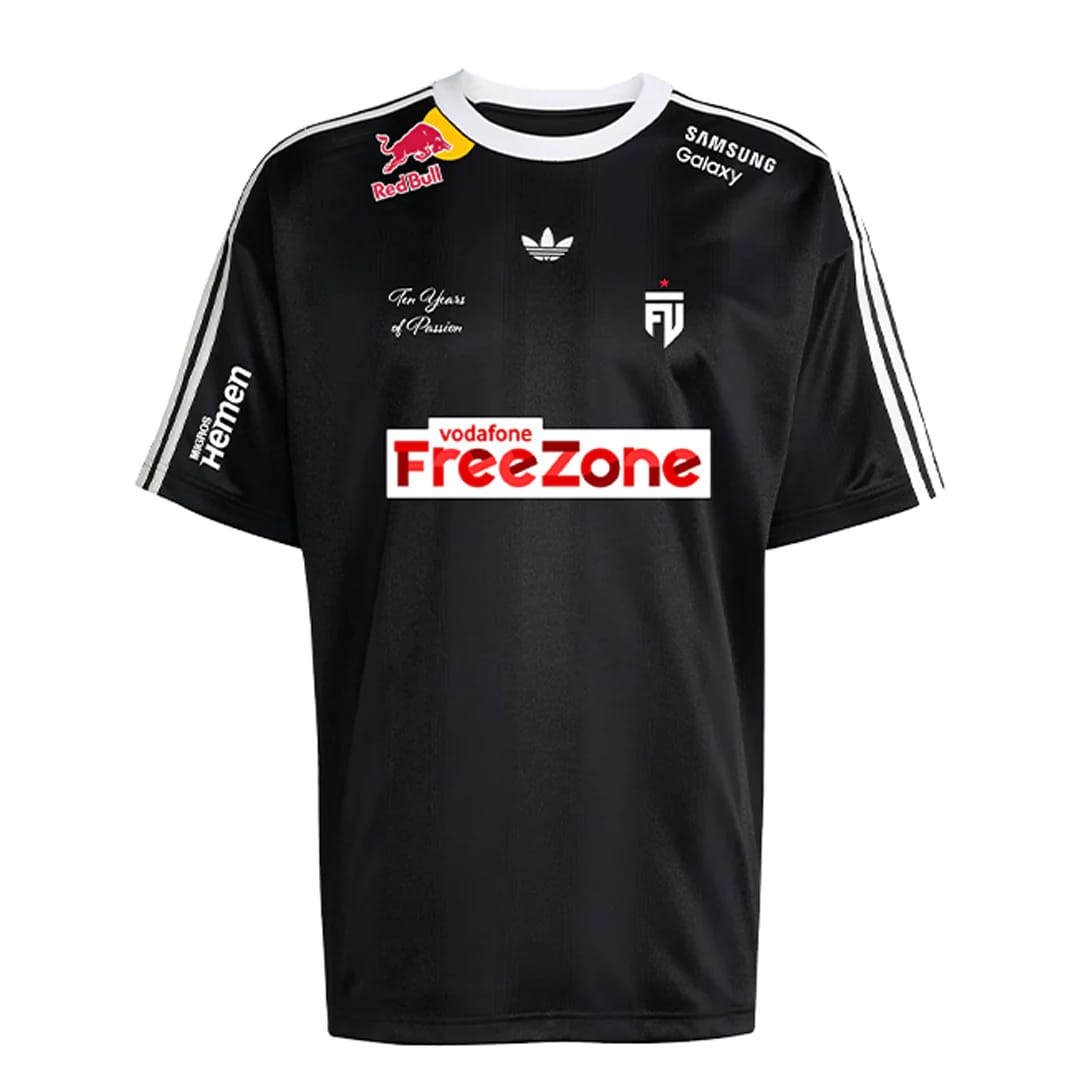

Movistar KOI enters the 2026 LEC season with a refreshed jersey and a new tracksuit, expanding the organization’s competitive wardrobe as they continue to build one of the most recognized brands in European League of Legends. Co-founded by streaming giant Ibai Llanos and backed by telecommunications leader Movistar, KOI has leveraged its massive community following into consistent merchandise demand — demand that has now attracted counterfeiters.
2026 LEC Jersey Design
The Movistar KOI 2026 LEC jersey arrives with an updated design for the new competitive year. Building on the foundation established across previous seasons, the jersey incorporates the team’s koi fish branding alongside Movistar’s corporate identity. The 2026 edition refines the overall aesthetic, reflecting the visual evolution that fans have come to expect with each season’s release.
KOI’s jersey design strategy has always balanced two audiences: the dedicated esports viewer who wants official stage-worn apparel, and the casual Ibai follower who engages with the brand through content rather than competition. The 2026 jersey continues to serve both, with a design clean enough for everyday wear while carrying the full sponsor roster and competitive detailing expected at the LEC level.
Tracksuit Collection
New for 2026 is the Movistar KOI tracksuit, expanding the team’s apparel offering beyond the standard jersey format. The tracksuit gives fans a complete kit option, mirroring a broader trend across European esports where organizations are releasing coordinated apparel sets rather than standalone jerseys. Teams like Karmine Corp (via Fulllife) and Fnatic have moved in this direction, and KOI’s entry signals their intent to compete not just in the LEC but in the merchandising arms race that accompanies it.
The tracksuit also serves a practical purpose for the competitive roster. Players increasingly wear coordinated team apparel during media appearances, press conferences, and behind-the-scenes content. A cohesive kit projects professionalism and reinforces brand consistency across every public touchpoint.
The AliExpress Knockoff Problem
Perhaps the most telling indicator of Movistar KOI’s brand strength in 2026 is the emergence of counterfeit jerseys on AliExpress. Knockoff versions of the KOI jersey have appeared on the platform, copying the design at a fraction of the official price. While counterfeiting is a headache for any brand, it is also a signal of genuine market demand. Esports organizations that attract knockoffs have crossed a visibility threshold that many teams never reach.
For context, counterfeit esports jerseys have historically been concentrated around the biggest global names — T1, Fnatic, G2 — organizations with massive international fanbases. KOI’s inclusion in that counterfeit ecosystem reflects the outsized cultural reach that Ibai Llanos provides. The knockoffs also highlight a challenge: fans priced out of official merchandise may turn to counterfeits, making accessible pricing a competitive advantage in protecting brand integrity and revenue.
Spanish LEC Dominance
The 2026 season sees Movistar KOI continuing to represent Spain alongside GIANTX and Team Heretics in the LEC. Three Spanish organizations competing at Europe’s highest level remains historically significant, and the merchandise competition between them benefits fans who now have multiple options for supporting Spanish esports at the top level. Each organization brings a distinct identity — KOI’s content-driven community energy, GIANTX’s 17-year heritage, and Heretics’ global social media dominance — creating a healthy ecosystem where jersey drops generate genuine excitement and conversation.
More Movistar KOI Coverage
- Movistar KOI 2024 LEC Jersey
- GIANTX 2025 Pro Jersey
- Team Heretics 2025 LEC Pro Jersey
- Karmine Corp 2026 Pro Jerseys by Fulllife
- G2 Esports 2026 Jersey Collection by Fulllife

Where to Buy
The Movistar KOI 2026 LEC jersey and tracksuit are available through the organization’s official store. Fans should purchase from official channels to avoid counterfeit products circulating on third-party marketplaces.